PancrionDX
Multimodal Analysis of │
Integrating genomic, transcriptomic, and radiomic data to understand early vs late-stage pancreatic ductal adenocarcinoma(PDAC).
Genomics
Mutations
Transcriptomics
Gene Expression
Radiomics
Tumor Imaging
Not all biological data types are equally informative for stage prediction.
How It Works
Genomics
Mutation landscape
Transcriptomics
Gene expression
Radiomics
Tumour phenotype
Prediction
Stage classification
Each modality captures a different layer of tumour biology.
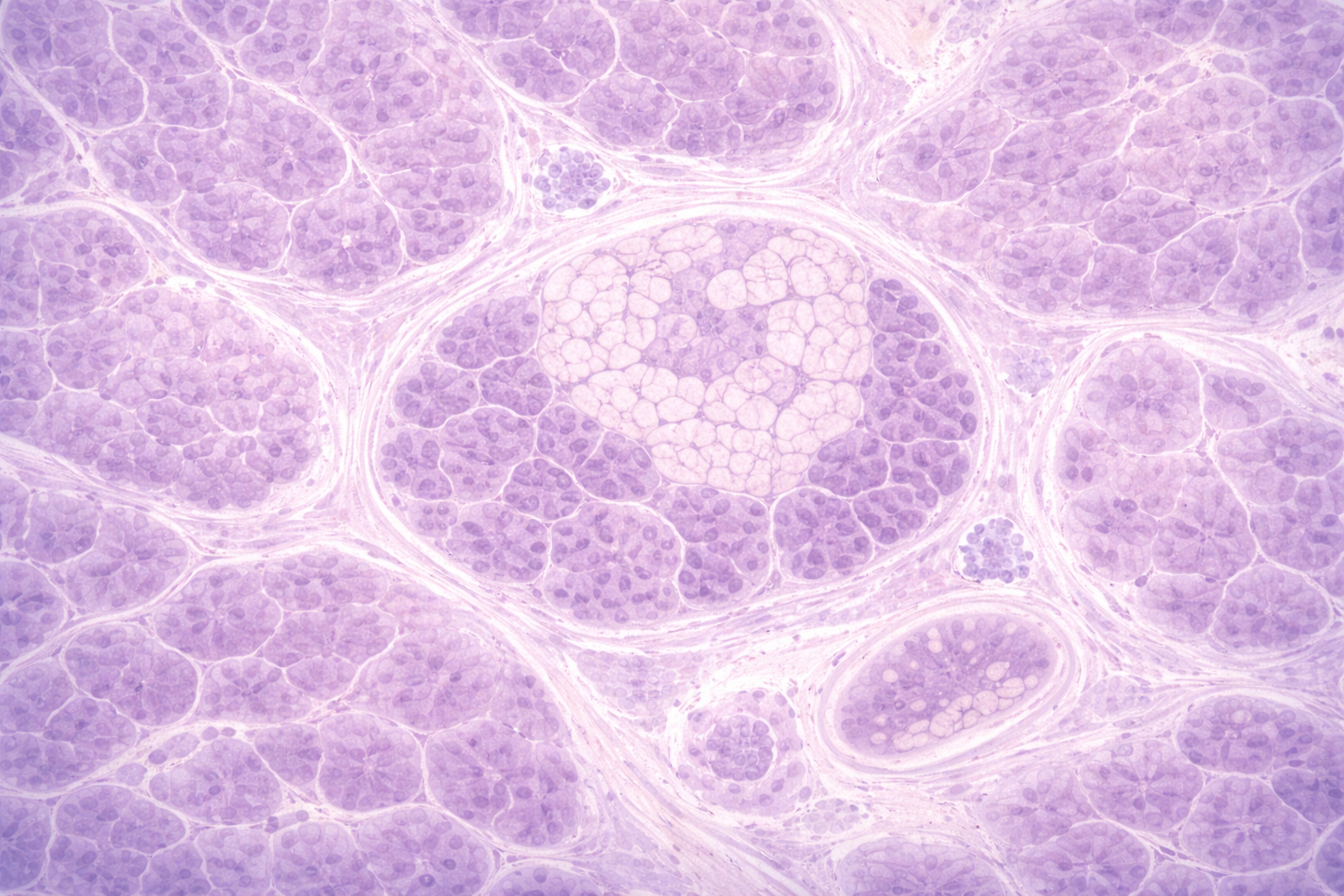
About PDAC
Pancreatic ductal adenocarcinoma is typically diagnosed at an advanced stage, as early disease produces few distinguishable symptoms. While somatic mutations in genes such as KRAS and TP53 are near-universal, they offer limited power for distinguishing stage, as they accumulate early and persist throughout progression. Transcriptomic and radiomic profiles, by contrast, shift measurably between early and late disease, making them more informative targets for stage-based classification.
Key Findings
Across all three modalities tested, radiomic features derived from tumour imaging showed the strongest discriminative signal between early and late-stage PDAC. Transcriptomic profiles contributed meaningfully, particularly when combined with imaging. Genomic mutation data alone produced classification performance close to chance, consistent with its stage-independent accumulation pattern.
Relative discriminative power
Why It Matters
Late-stage PDAC carries a five-year survival rate below 5%. Identifying reliable multimodal signatures of progression could support earlier clinical intervention and more targeted follow-up strategies. This analysis is not a clinical tool, but its findings suggest that integrating imaging and expression data may offer more signal than genomics alone — a useful basis for designing future diagnostic frameworks.
Multimodal integration
Explore the research